Across Canada, demand for modular housing and community infrastructure continues to outpace traditional delivery models. As pressures around labour shortages, cost volatility, compressed schedules, and sustainability intensify, modular construction and off-site construction methods are increasingly seen as viable alternatives to conventional building approaches.
Modular construction, once considered a niche solution, is now proving to be a practical and scalable alternative.
At S2 Architecture, we’ve worked with modular manufacturers on more than 60 projects across Alberta, British Columbia, Ontario and the Northwest Territories. Through this experience, we’ve learned modular construction isn’t just faster—it’s fundamentally different.
Modular Construction Is a Different Way of Thinking
A common misconception about modular construction is that it’s simply conventional construction moved off-site. In reality, modular projects require a distinct mindset from day one.
A building cannot be designed conventionally and then “made modular” at the end of the design process without sacrificing efficiency and increasing risk. Successful modular projects begin with a clear understanding of the system itself, including factory capabilities and automation, transportation constraints, and crane access and sequencing. These factors directly influence design decisions.
Early collaboration with modular manufacturers is essential. Module dimensions are not abstract—height, width and length constraints vary from project to project. Designing toward the maximum allowable module size reduces the total number of modules required, which directly impacts cost, schedule, and overall complexity.
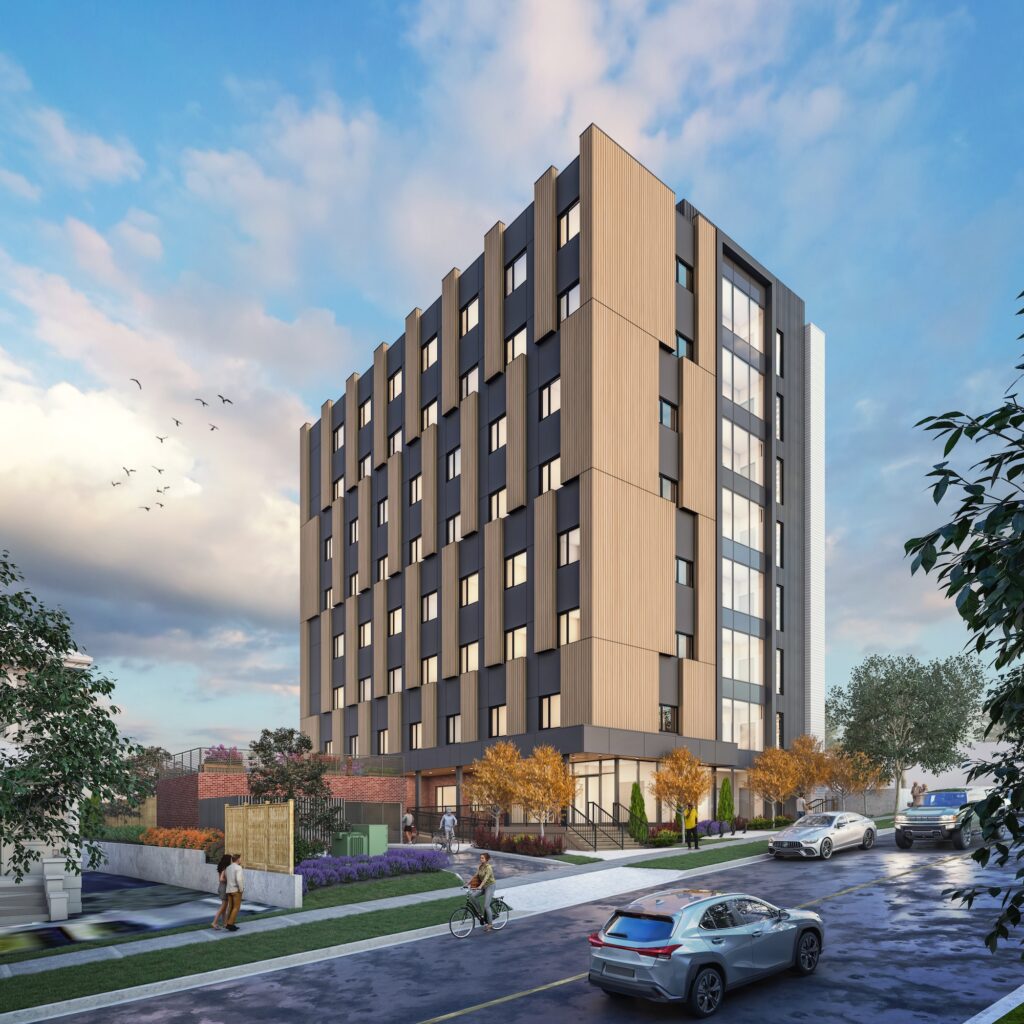
A Distinct Delivery Methodology
Modular projects are often delivered through a design-build contract and frequently operate under compressed timelines. This delivery model requires a different approach to coordination and decision-making.
The value-add benefits of a modular construction methodology include increased quality control, accelerated construction timelines, environmental/sustainability benefits, and cost effectiveness.
S2’s experience working alongside modular manufacturers from the earliest design stages allows us to reduce scope redundancies, maximize efficiencies inherent in modular components, and ensure constructability. We prioritize collaborative scheduling that enables concurrent module production and on-site construction.
Replicability Without Repetition
Modular systems offer significant opportunities for standardization and cost control. They also introduce unique challenges.
Our experience across multiple building typologies and with numerous modular builders has given us a clear understanding of the daily collaboration required between consultant teams and fabrication teams. We understand where repetition delivers the greatest value and where customization can be achieved economically.
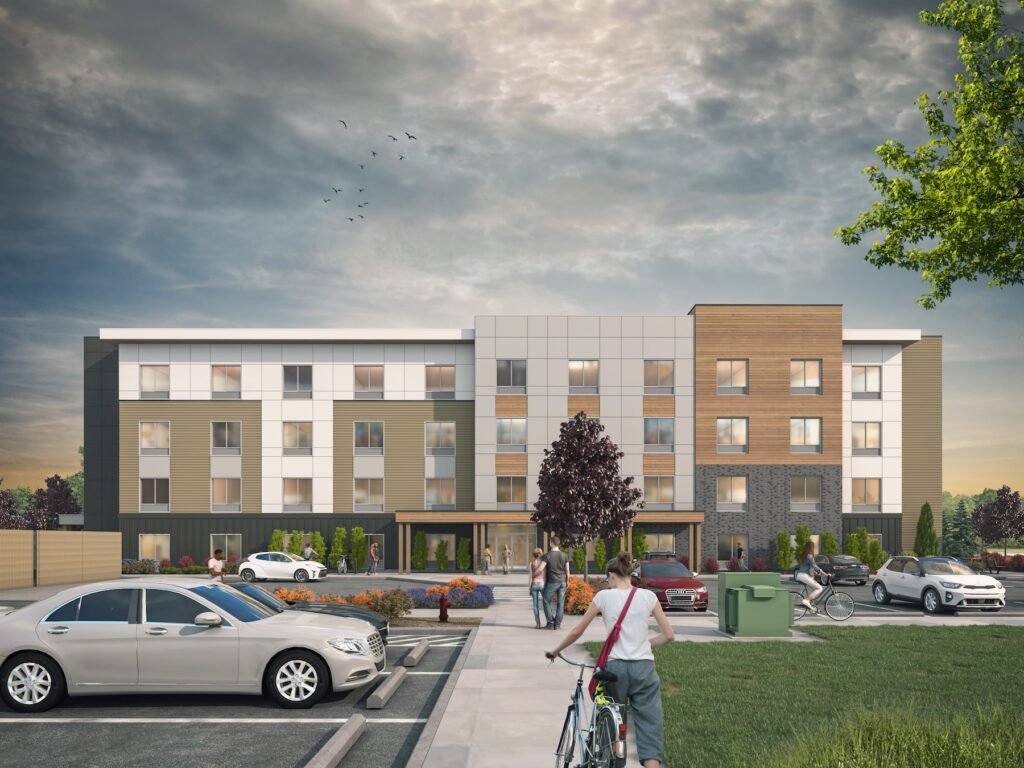
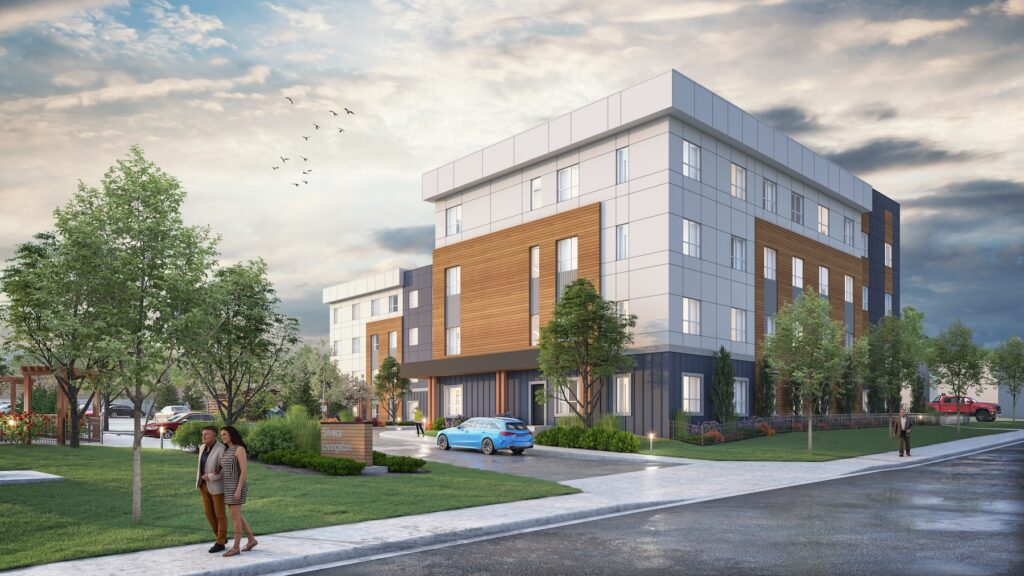
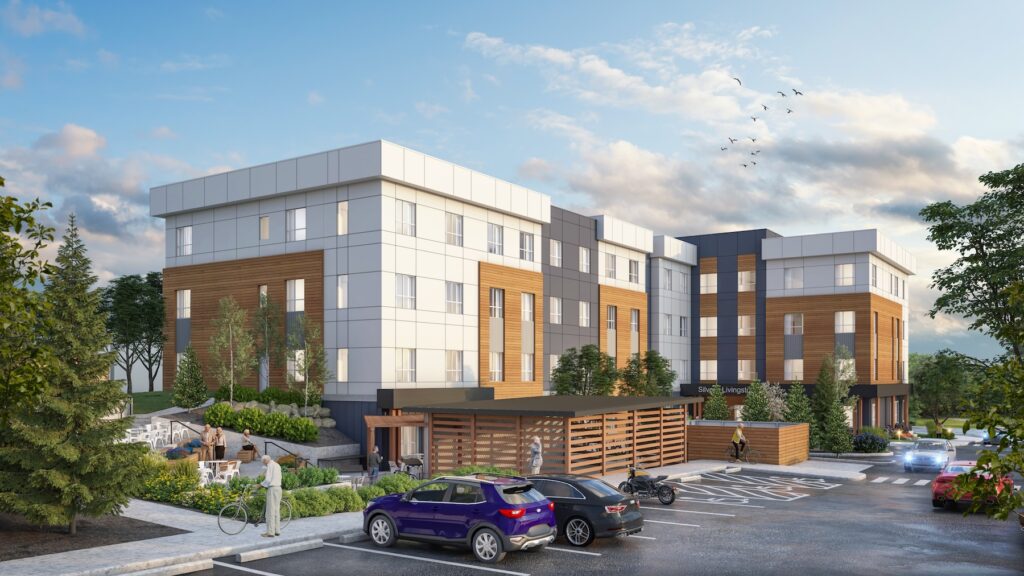
This balance allows us to create cost-effective, repeatable designs that maintain rhythm, articulation, and variation. Off-site manufacturing also reduces on-site construction time, disturbance, and waste—benefiting both the project and the surrounding community.
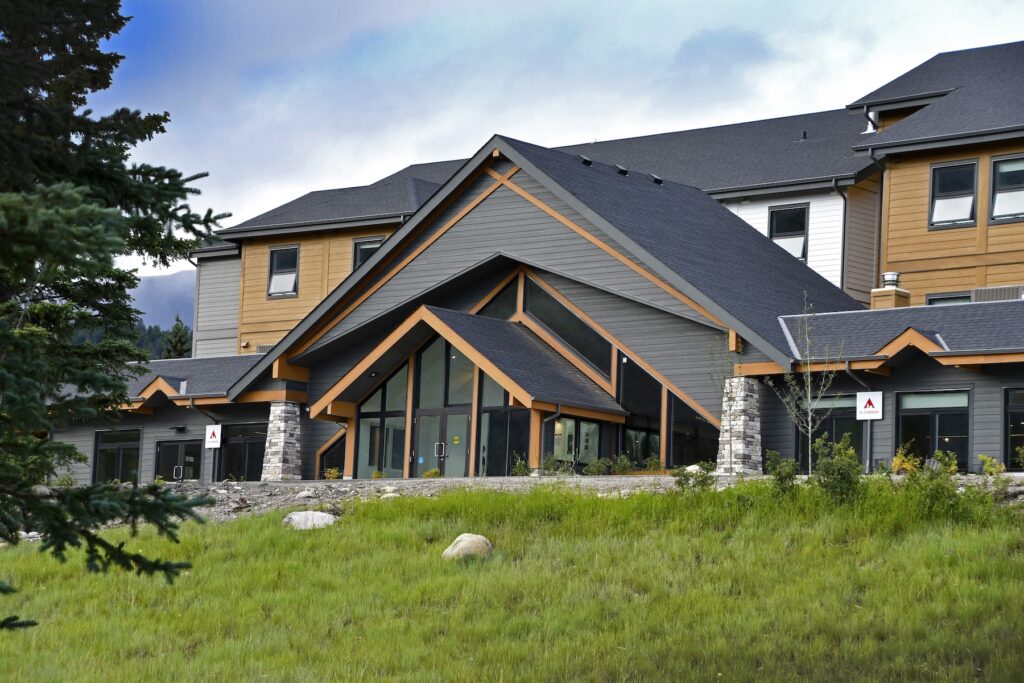
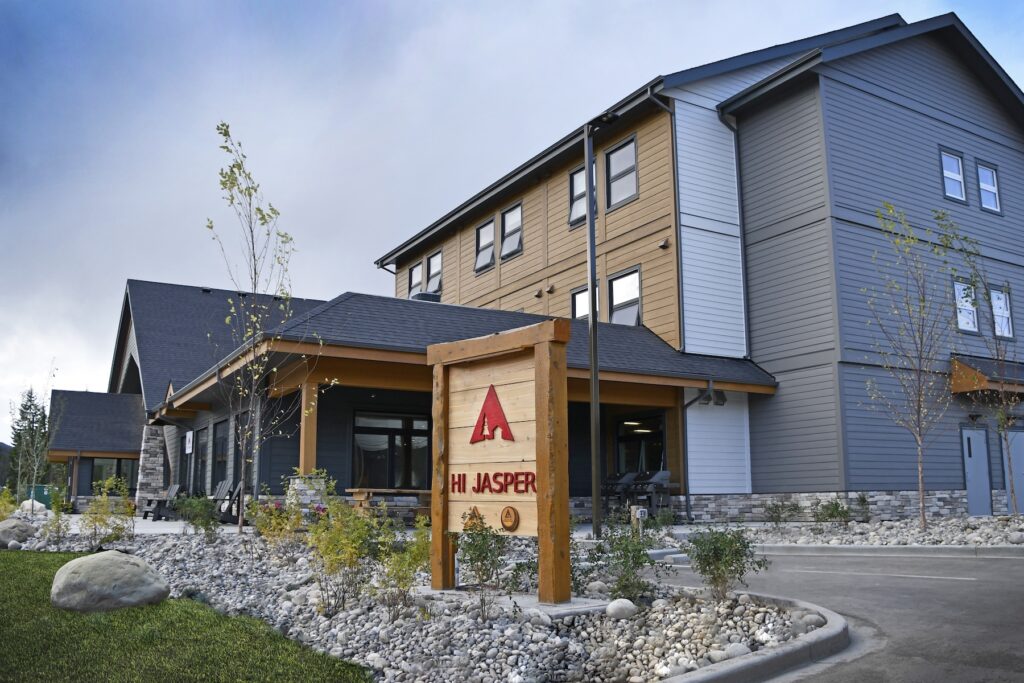
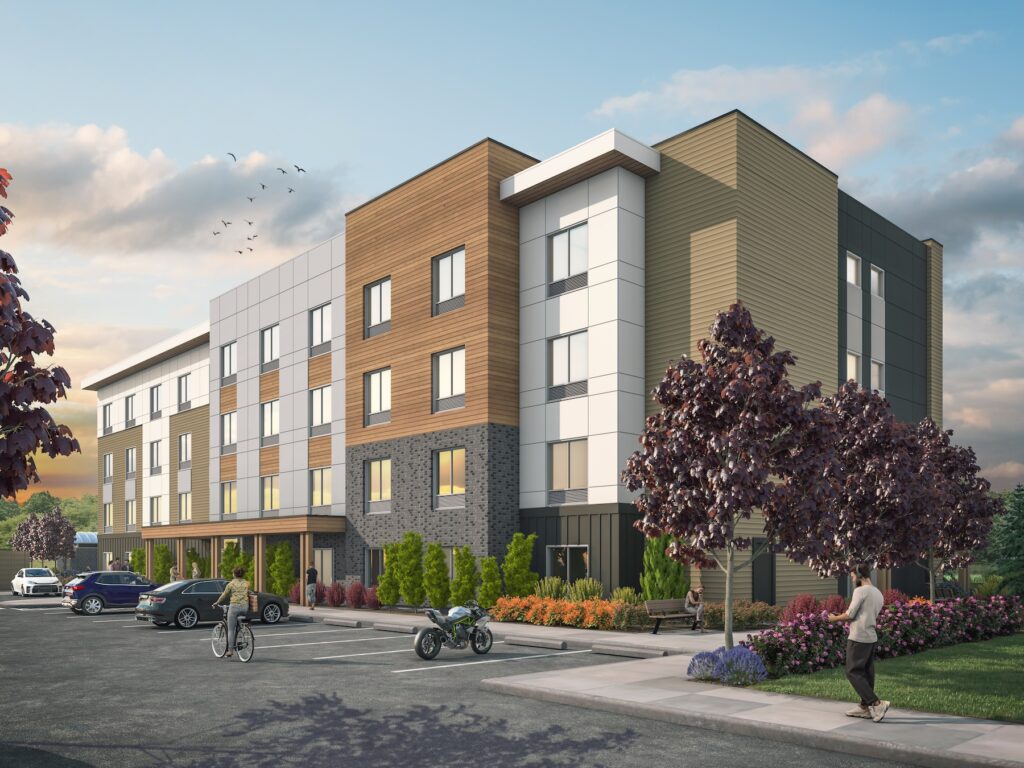
Designing for Efficiency
Every modular project begins with understanding the parameters of the modular unit. These constraints vary by site and are influenced by factory configuration and shipping routes.
Factory setup and transportation logistics determine the maximum achievable module length, width and height. Because each module must be shipped and craned independently, costs are directly tied to the number of units.
Designing toward the maximum allowable module size increases efficiency by minimizing the total module count. This early alignment between design and logistics is one of the most critical drivers of modular success.
Site Design Requires an Added Layer of Awareness
Although modules are manufactured off-site, site conditions remain central to project success.
In addition to typical site considerations such as grades, access, solar orientation and context, modular projects require early analysis of craning paths, truck access, unloading zones, and installation sequencing. These logistical factors directly affect building placement, massing and layout.
Addressing them early prevents costly redesigns and installation challenges. Successful modular projects integrate architectural intent with construction logistics from day one.
Modular Design in Practice
The modular manufacturing process is highly efficient, producing less waste and allowing components to be built within a controlled environment.
At S2, we look for opportunities to capitalize on these benefits when laying out building plans, developing details, and coordinating building system chases. At the same time, experience has taught us that not every element should be completed in the factory.
Some exterior cladding systems perform well when installed in the factory. Others may be more susceptible to damage during delivery and are better installed on site. These lessons have shaped how we articulate façades and have opened opportunities for greater material variation and expression.
Modular design is not about limiting creativity. It is about understanding where fabrication delivers value and where on-site execution makes more sense.
Precision and Predictability
One of modular construction’s greatest strengths is quality control. A controlled factory environment allows for a level of consistency and precision that is difficult to achieve on a traditional construction site, particularly in climates with unpredictable weather.
However, factory precision only delivers value when coordination happens early and thoroughly. Modular projects leave little room for unresolved details.
Every penetration, chase and connection must be fully coordinated before manufacturing begins. Mechanical and electrical systems must align through multiple modules in three dimensions. Interior finishes, access panels and service zones must support both factory production and on-site integrations.
This level of coordination requires clear communication and early engagement from the entire consultant team. When executed well, it increases the percentage of work to be completed in the factory—improving quality, reducing site labour, and shortening construction timelines.
Modular Is Not All or Nothing
Modular construction does not require a 100 percent modular solution.
Some projects benefit from a hybrid approach. For example, conventional construction may be appropriate where larger clear spans or higher ceiling heights are required. Modular systems, like traditional construction methods, offer flexibility when understood properly.
The key is determining where modular delivers the greatest value and where alternative approaches better support project objectives.
Building Smarter, Not Just Faster
Modular construction is reshaping how housing and community buildings are delivered across Canada. As pressures related to cost, schedule, labour and sustainability continue to intensify, modular design offers a practical and proven path forward.
Success, however, depends on experience. Modular projects demand informed decision-making from early site analysis through detailed coordination and installation.
At S2 Architecture, the guiding question remains consistent: What approach creates the greatest value for the project?
Sometimes the answer is fully modular. Sometimes it is hybrid. In every case, it is grounded in thoughtful design, early collaboration, and a clear understanding of how modular systems work.
Because the most successful modular projects are not simply fast. They are intentional, coordinated, and built with purpose.